
What Is a Forklift?
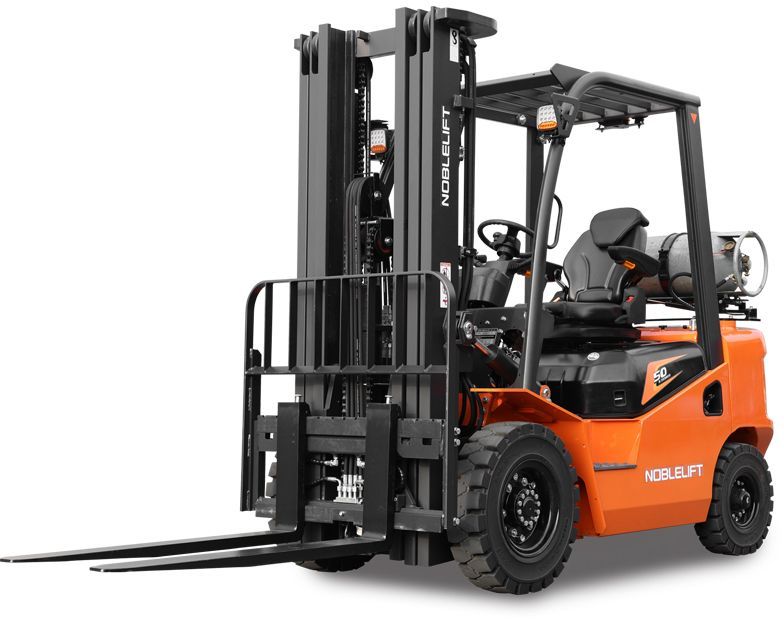
A forklift is a powered industrial truck used to lift, move, stack, and position materials. Most forklifts use forks mounted to a mast, allowing the operator to raise and lower palletized loads. Forklifts are common in warehouses, factories, loading docks, distribution centers, retail stockrooms, lumber yards, cold storage facilities, and industrial operations.
A forklift truck is different from a manual pallet jack because it can lift loads higher, move heavier materials, and support more demanding workflows. The operator controls the truck from a seated or standing position, depending on the design. Some forklifts are built for tight warehouse aisles, while others are made for outdoor surfaces, heavier loads, or specialized attachments.
Types of Forklifts for Warehouse and Industrial Use
There are several different types of forklifts, and each kind is built for a specific job.
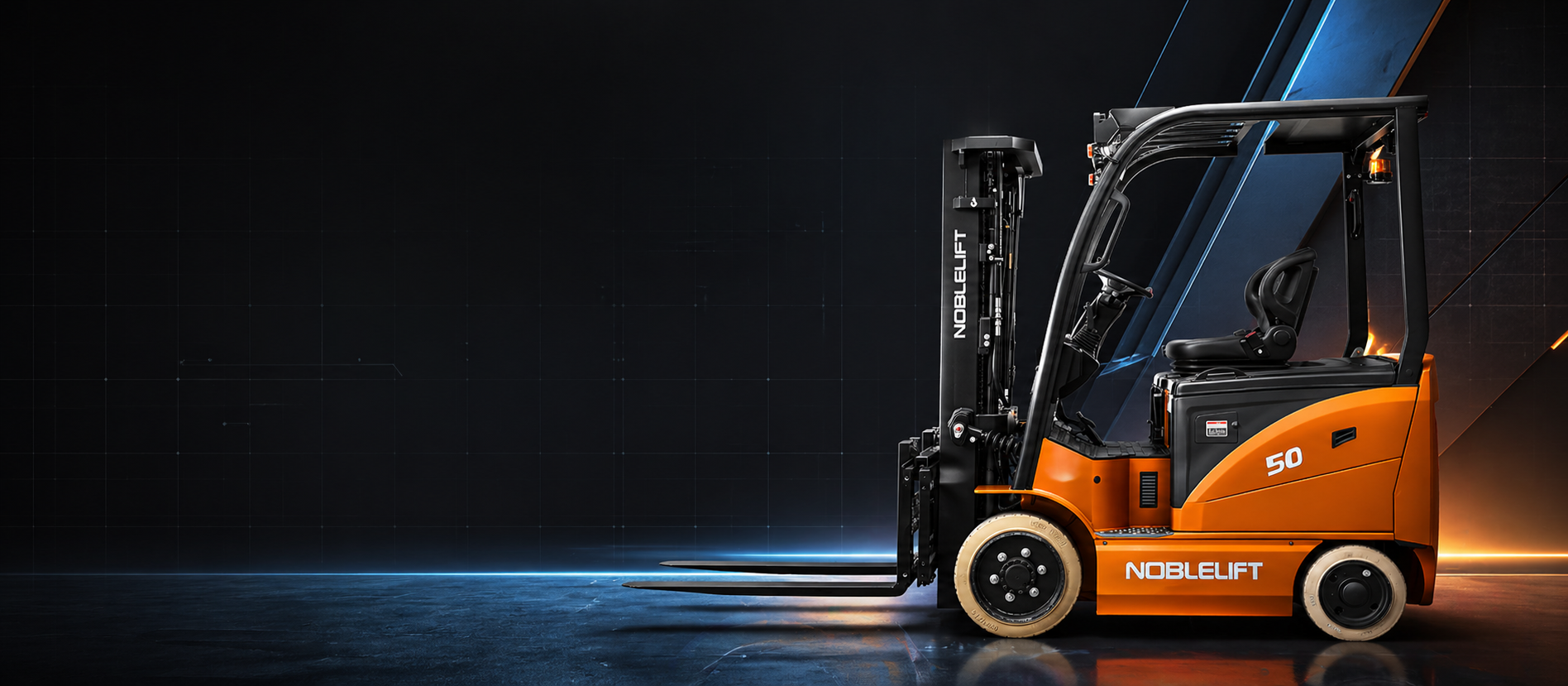
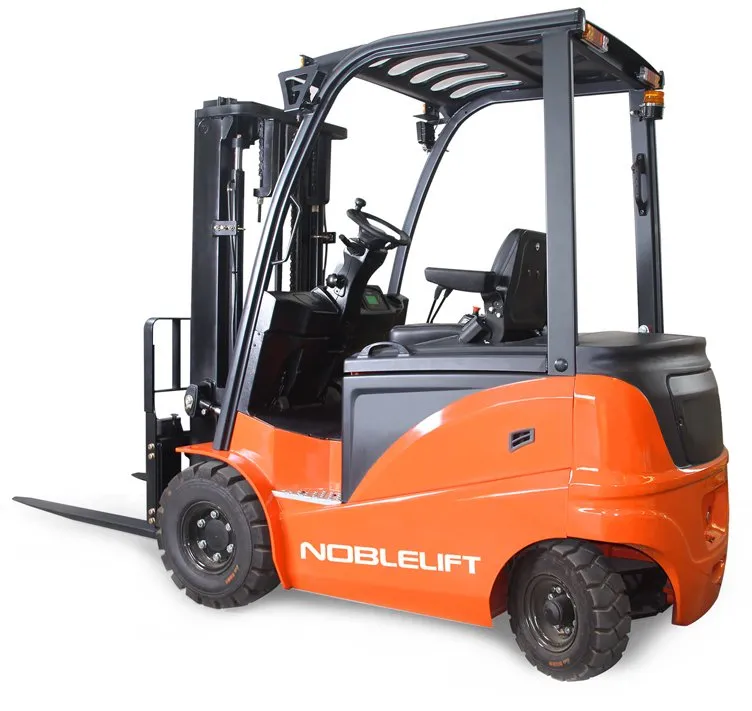
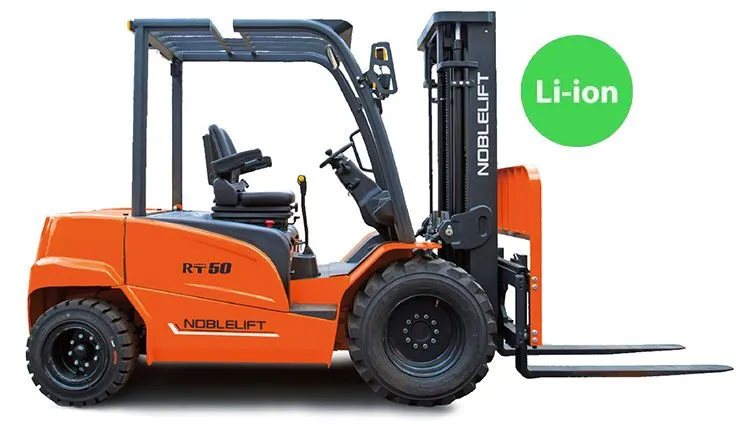
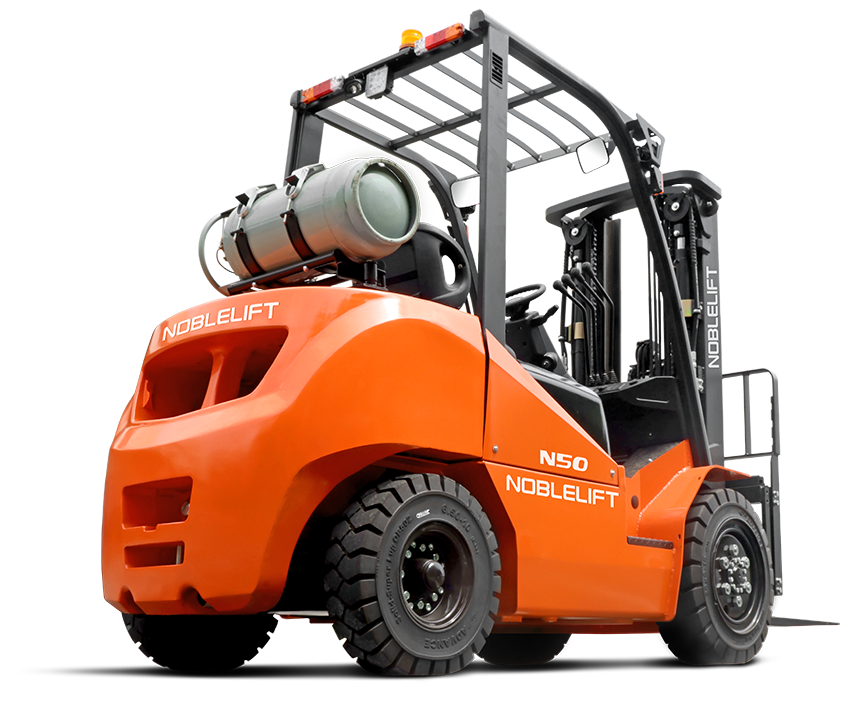
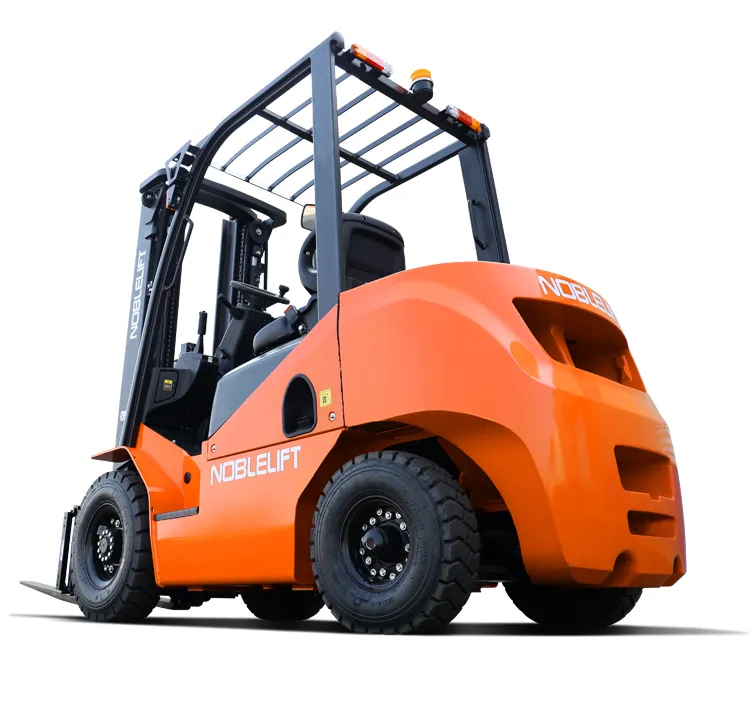
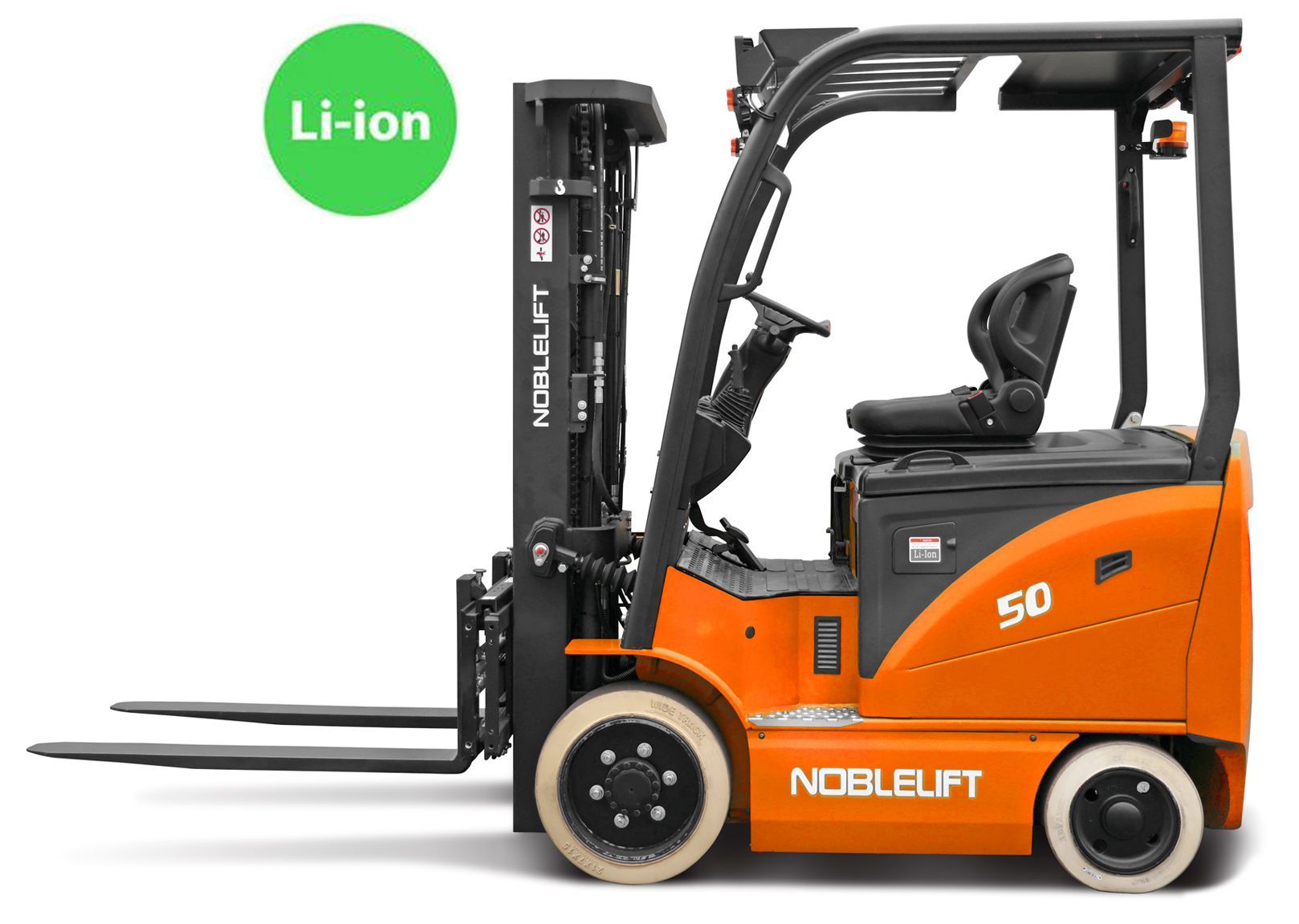
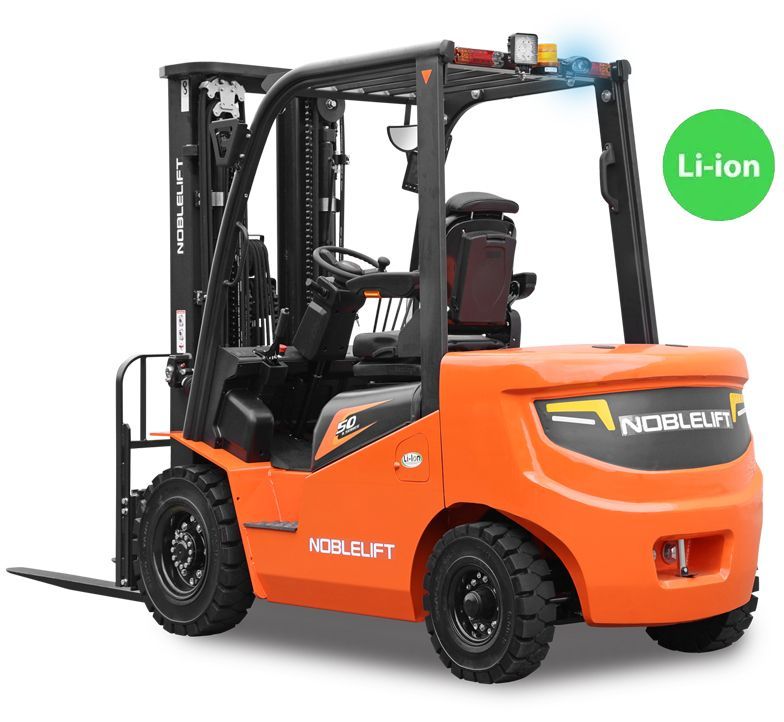
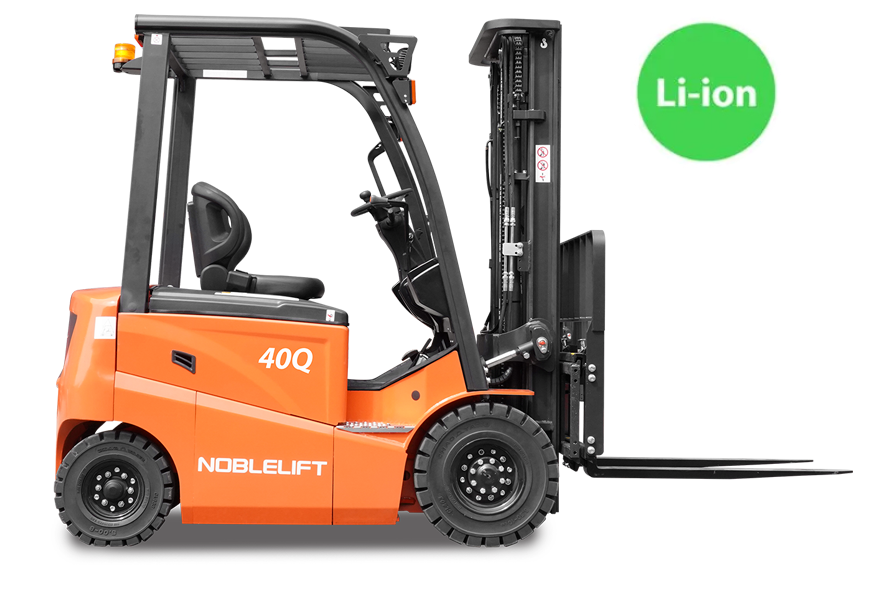
A counterbalance forklift is one of the most common types. It uses weight in the rear of the truck to balance the load being lifted in front. These forklifts are used for loading, unloading, stacking, and general warehouse work.
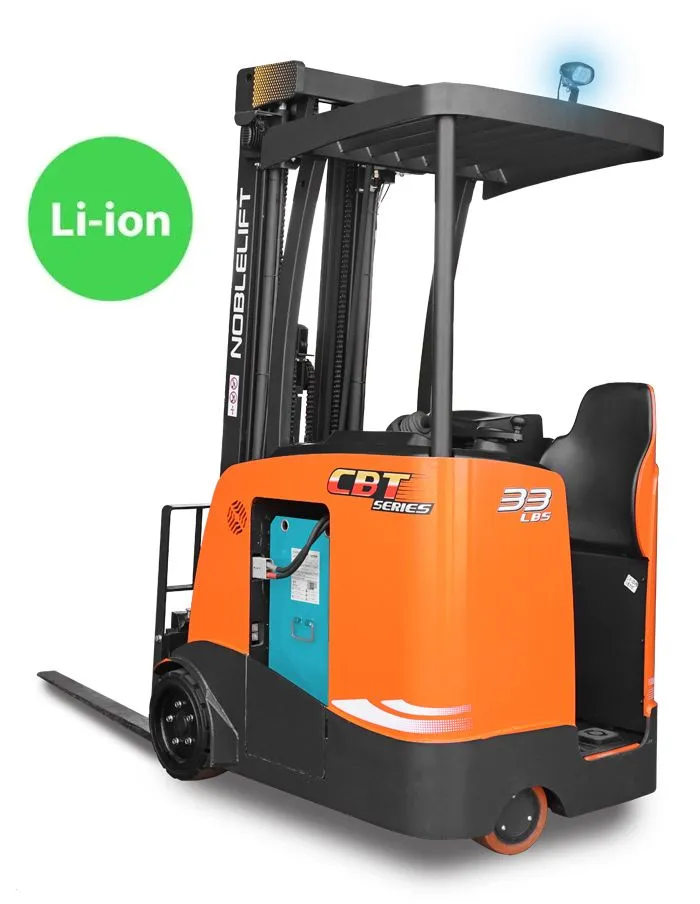
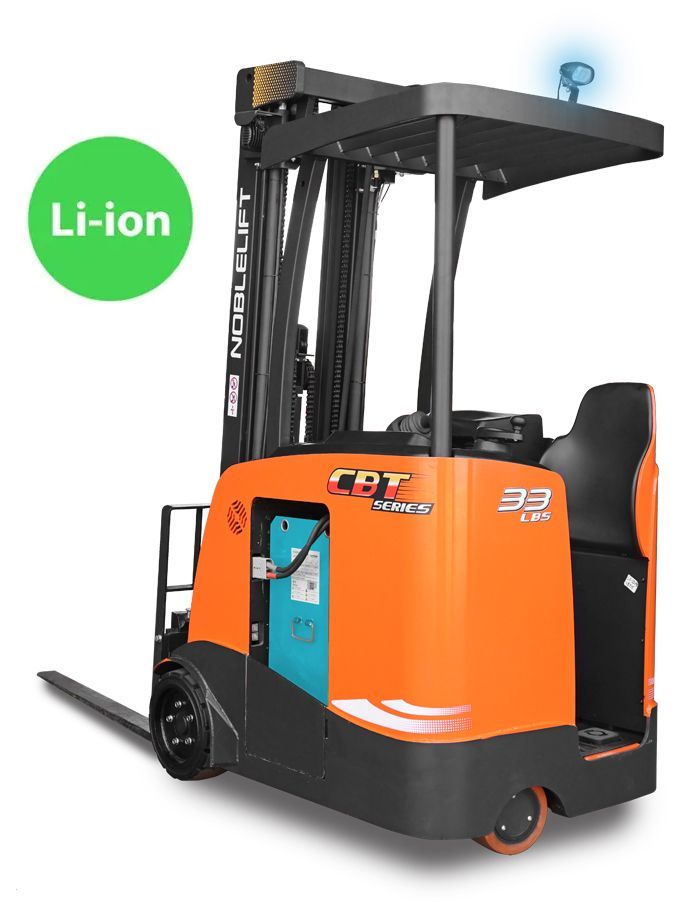
A stand-up forklift is designed for operators who need to get on and off the truck often. The standing operator position can be useful in busy warehouses, dock areas, and applications where quick movement matters.
A reach truck is used for warehouse racking and narrow aisle storage. Reach trucks can extend the forks forward to place or retrieve pallets from rack positions.
An order picker allows an operator to move up with the platform to pick individual products from storage locations. A turret truck is often used in very narrow aisle layouts where space is limited and high-density storage is needed.
Some buyers also search for mini forklifts or compact forklifts when they need a smaller turning radius, lighter equipment weight, or a machine that can work in tighter indoor areas.
For additional background on common powered industrial truck classes, OSHA provides a helpful overview of forklift types and fundamentals, including electric rider trucks, narrow aisle trucks, internal combustion trucks, and rough terrain forklift trucks.
Link forklift types and fundamentals to: https://www.osha.gov/etools/powered-industrial-trucks/types-fundamentals/types
Electric, Lithium, Propane, and Rough Terrain Forklifts
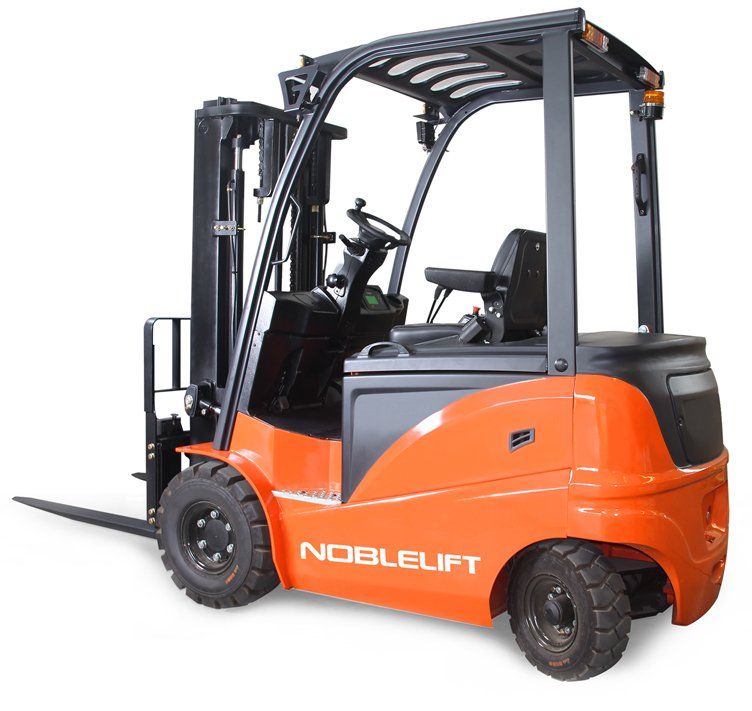
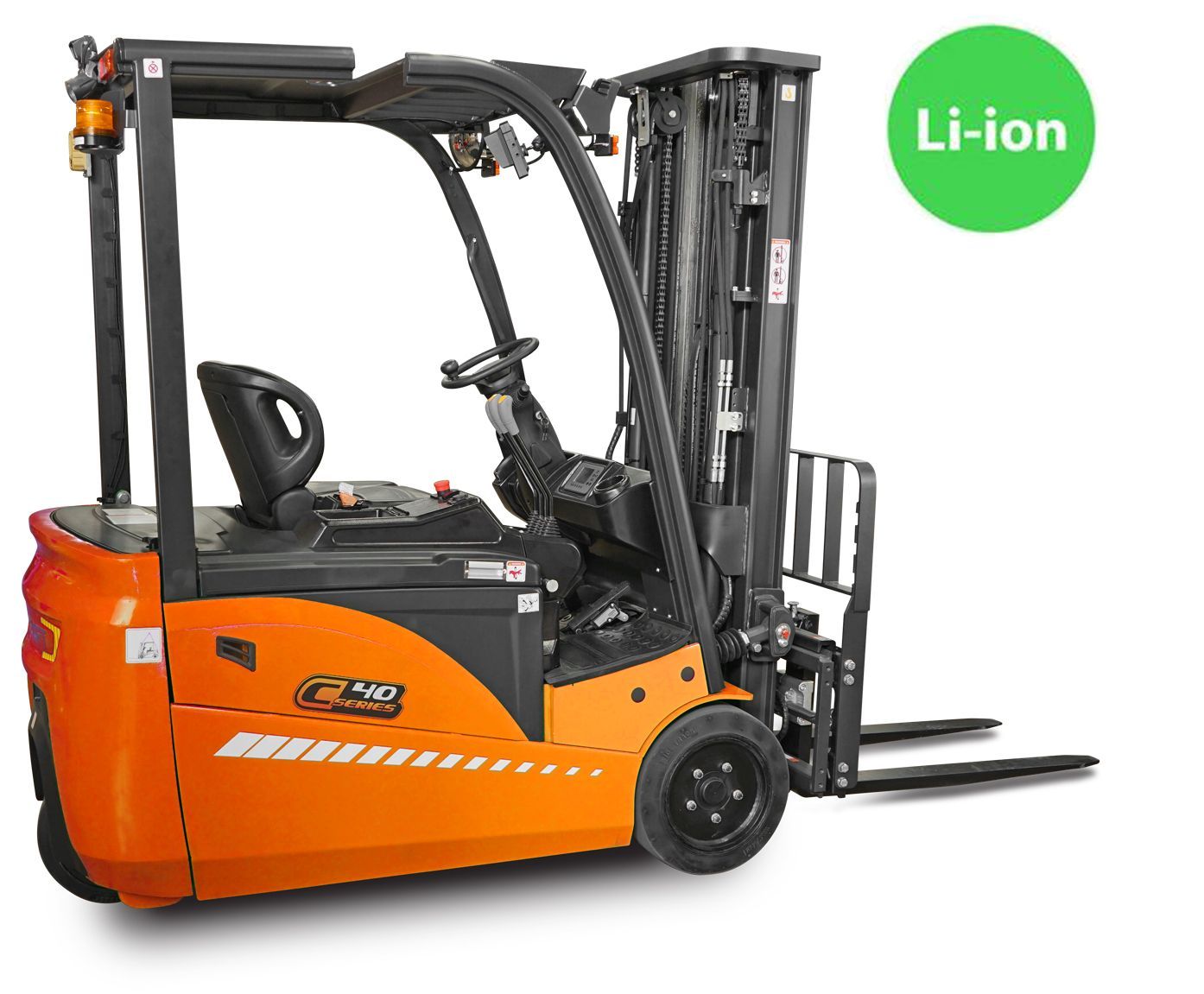
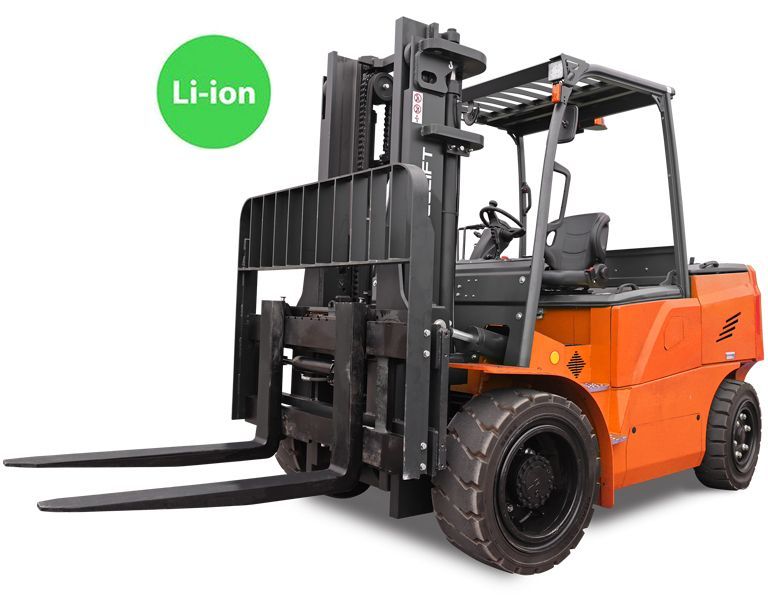
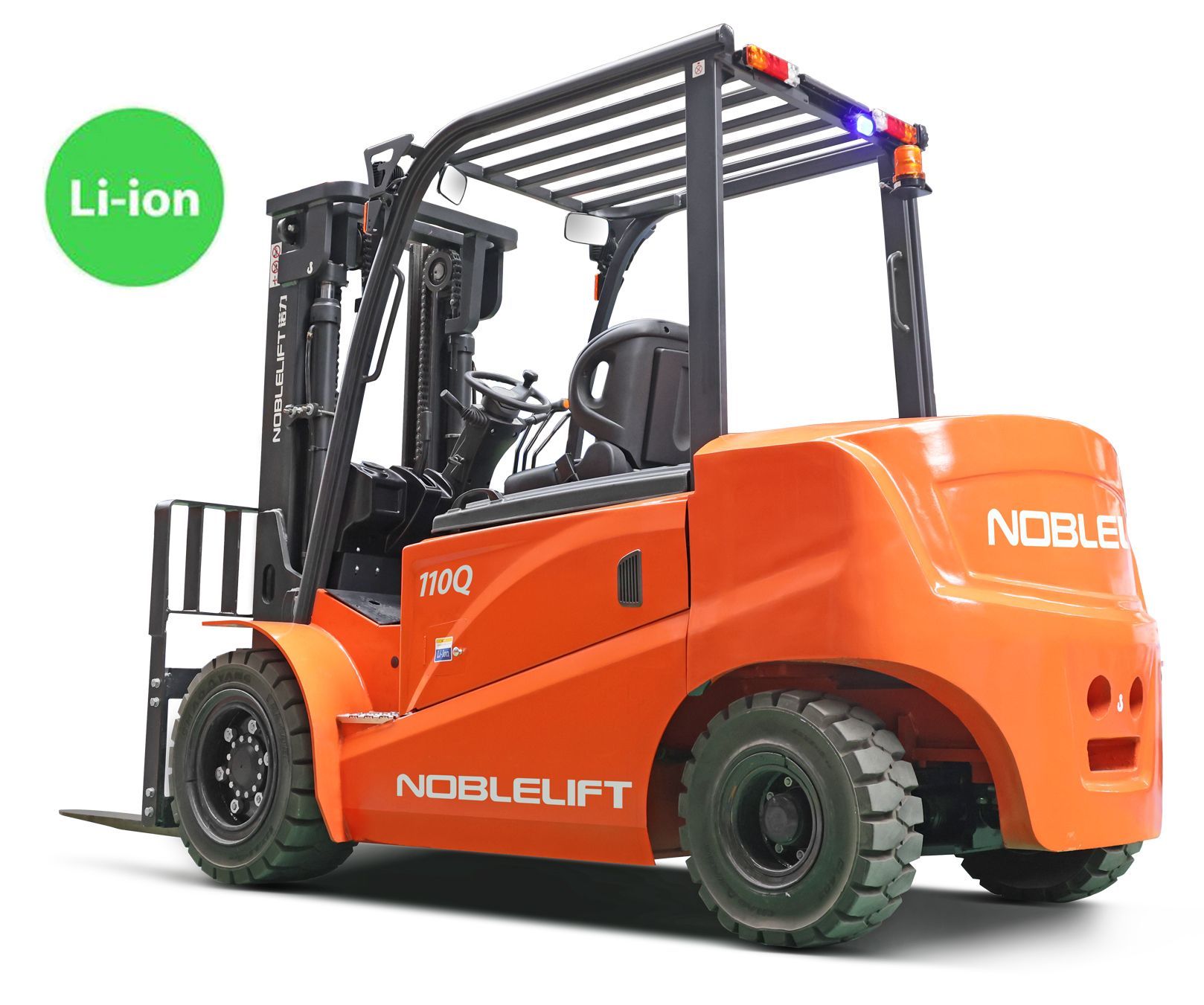
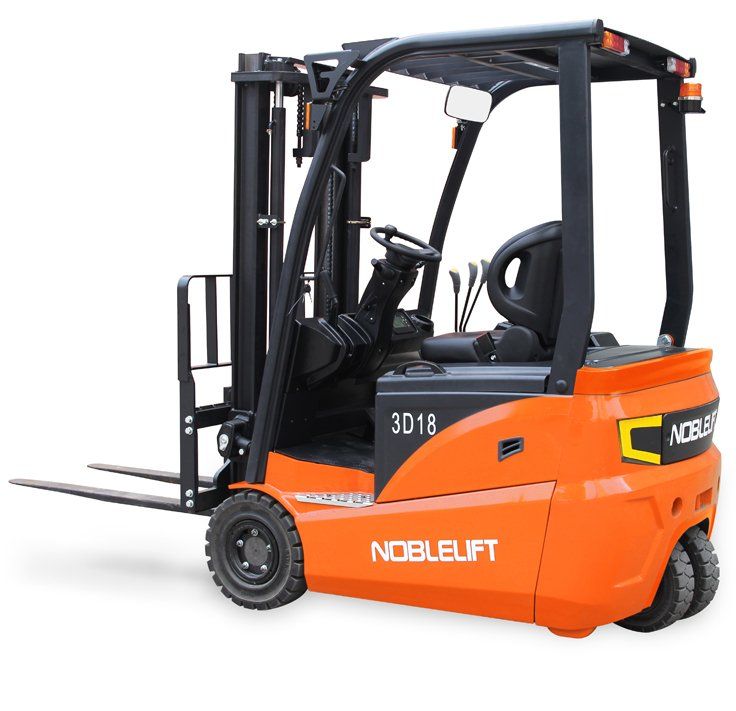
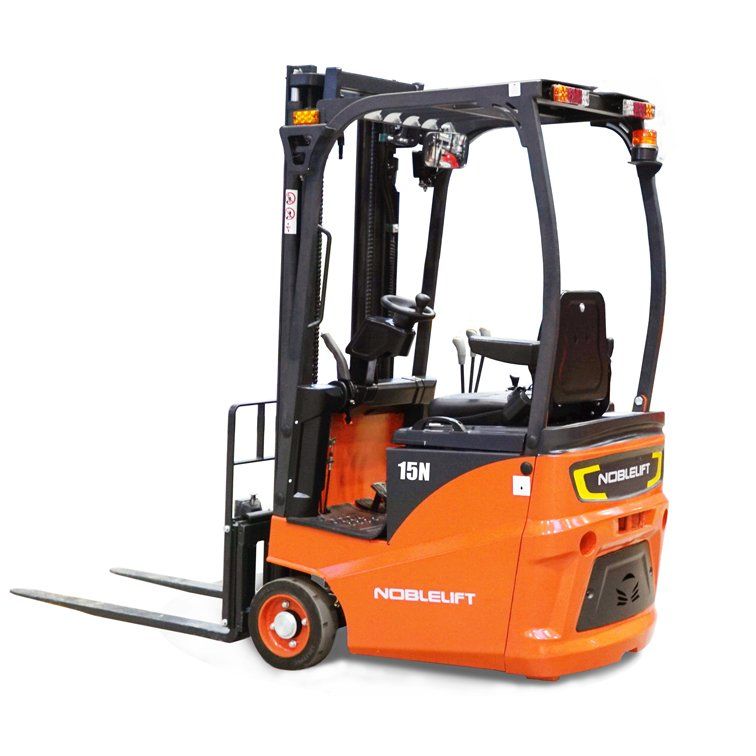
Electric forklifts are a strong choice for many indoor warehouse and industrial applications. They operate with battery power and are often used where clean operation, lower noise, and reduced routine maintenance are important. Lithium forklift models may offer faster charging, opportunity charging, and less battery maintenance than traditional lead-acid options, depending on the model and application.
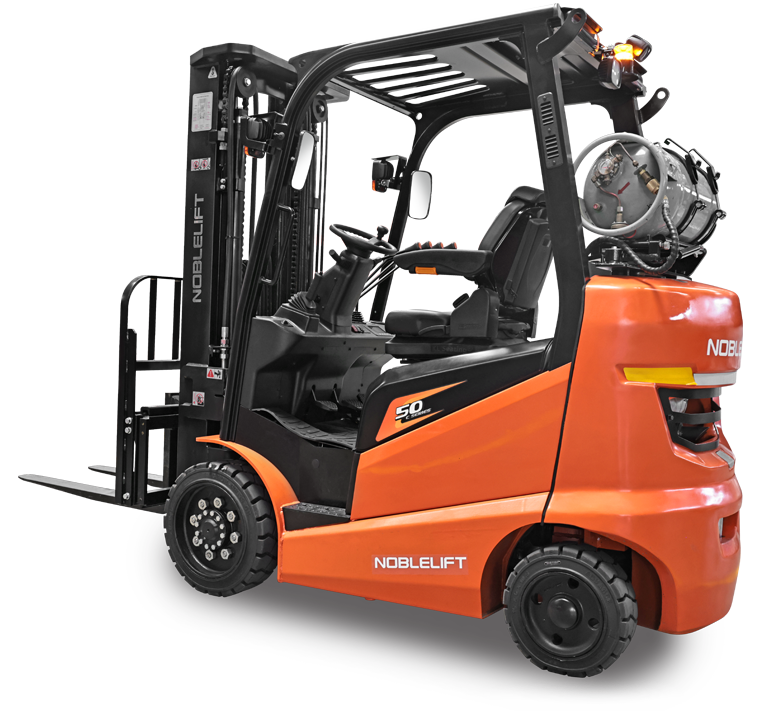
Propane forklifts, also called LPG forklifts, are internal combustion forklifts. They are often used where quick refueling, outdoor work, or longer run times are important. Buyers should consider ventilation, fuel storage, maintenance, and operating environment before choosing propane.
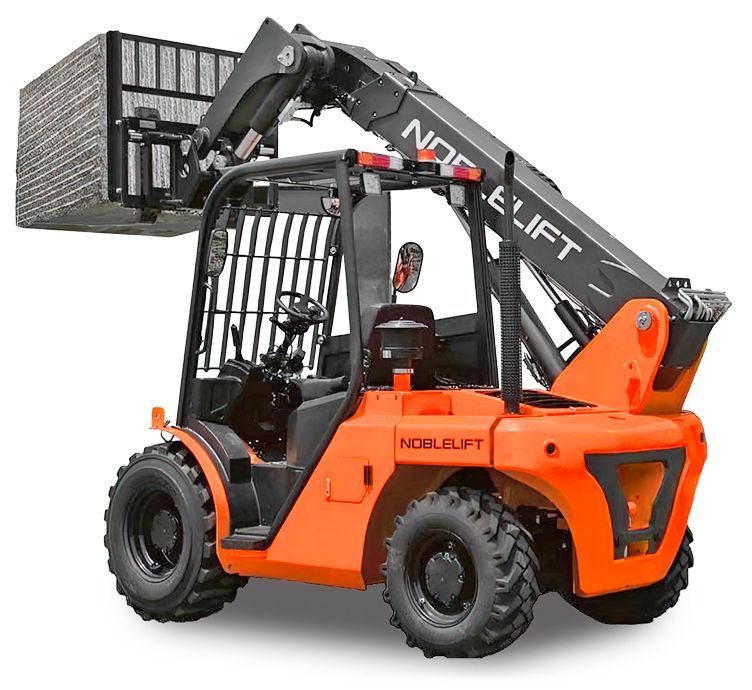
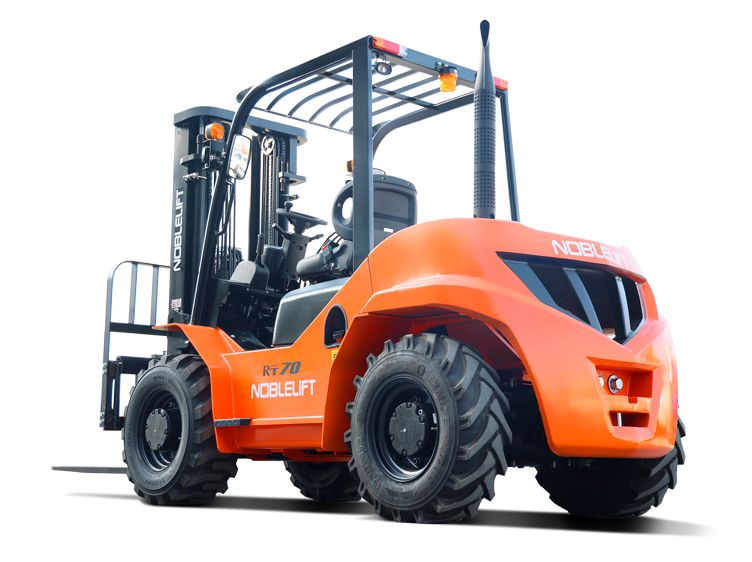
A rough terrain forklift is built for uneven outdoor surfaces. Some buyers call these all terrain forklifts, but rough terrain is the more common equipment term. These trucks are often used in construction, lumber, agriculture, yards, and outdoor industrial sites. Tire type, ground conditions, and load stability are important when comparing rough terrain equipment.
Under “Electric, Lithium, Propane, and Rough Terrain Forklifts”
Facilities using electric forklifts should also review safe battery charging practices. OSHA provides guidance on electric forklift battery charging and related powered industrial truck safety considerations.
Link electric forklift battery charging to:
https://www.osha.gov/etools/powered-industrial-trucks/types-fundamentals/power-sources/electrical
How to Choose the Right Forklift
The right forklift depends on what you lift, where you lift it, and how often the truck will run.
Start with the load. Know the average load weight, maximum load weight, pallet size, and load center. A 10,000 lb forklift capacity may be needed for heavy-duty applications, but many warehouses can use smaller capacity equipment. Buyers should never guess on capacity because the forklift must safely handle the weight at the required height.
Next, review lift height and mast requirements. The mast determines how high the forks can raise. If your facility has tall racking, low doorways, trailers, mezzanines, or overhead clearance issues, mast selection matters.
You should also compare aisle width, turning radius, operator position, battery charger needs, tire type, and how many shifts the forklift will operate each day. A truck used for one light shift has different needs than a forklift running in a busy multi-shift warehouse.
Important Features to Compare
Before you buy a forklift, compare these key features:
Capacity is one of the most important factors. The forklift must be rated for the load weight and lift height required.
Mast height affects how high the forklift can place or remove loads. Buyers should check lowered height, raised height, and free lift when needed.
Tires matter because warehouse floors, loading docks, and outdoor yards place different demands on the truck. Cushion tires are common on smooth indoor floors, while pneumatic-style tires may be better for outdoor or rougher surfaces.
Battery and charger setup is important for electric and lithium forklifts. Confirm voltage, charger type, charging location, run time needs, and whether the forklift can support the workflow.
Operator comfort and visibility also matter. A driver who operates equipment all day needs clear controls, a practical operator position, and good visibility around the mast and load.
Forklift Attachments, Extensions, and Clamp Options
Forklift attachments can help a truck handle more than standard pallets. Common options include fork extensions, clamp attachments, side shifters, fork positioners, and other load handling tools.
Attachments must be matched to the forklift, the load, and the application. Fork extensions can help handle longer loads, but they do not increase the forklift’s rated capacity. Clamp attachments can be useful for handling certain products without pallets, but they may change the load center and reduce safe lifting capacity.
Before using attachments, confirm compatibility, capacity impact, and operator training requirements. The forklift nameplate or data plate should reflect approved attachments and the correct capacity rating.
Forklift Safety, Operators, and OSHA Training
Forklift safety is a major part of any warehouse or industrial operation. Operators should be trained before they operate a forklift, and employers are responsible for making sure operators understand the equipment, workplace conditions, and safe operating procedures.
OSHA covers forklifts under powered industrial truck rules. OSHA resources explain forklift classes, power sources, operating practices, workplace conditions, and training requirements. The National Forklift Foundation can also be used as a training and certification resource, but employer site-specific training and practical evaluation still matter.
A certified forklift operator should understand how to inspect the truck, read the nameplate, check the load, travel safely, watch for pedestrians, handle ramps, and operate in the correct position. Forklift drivers should also know how attachments, battery charging, tires, mast height, and load weight affect safe operation.
Why Buy NobleLift Forklifts from PHS Lift?
PHS Lift helps businesses compare NobleLift forklifts based on real warehouse and industrial needs. Instead of choosing equipment by price alone, buyers can review capacity, power type, lift height, battery requirements, tire type, operator position, and service needs before making a decision.
NobleLift offers a wide range of material handling equipment, including electric forklifts, lithium forklifts, internal combustion forklifts, rough terrain forklifts, reach trucks, order pickers, pallet trucks, and related equipment. PHS Lift can help you compare models, request a quote, review forklift sales options, and select equipment that fits your operation.
If your team needs a forklift for warehouse racking, dock work, industrial lifting, heavy-duty loads, narrow aisles, or general material handling, PHS Lift can help you choose the right NobleLift forklift for the job.