
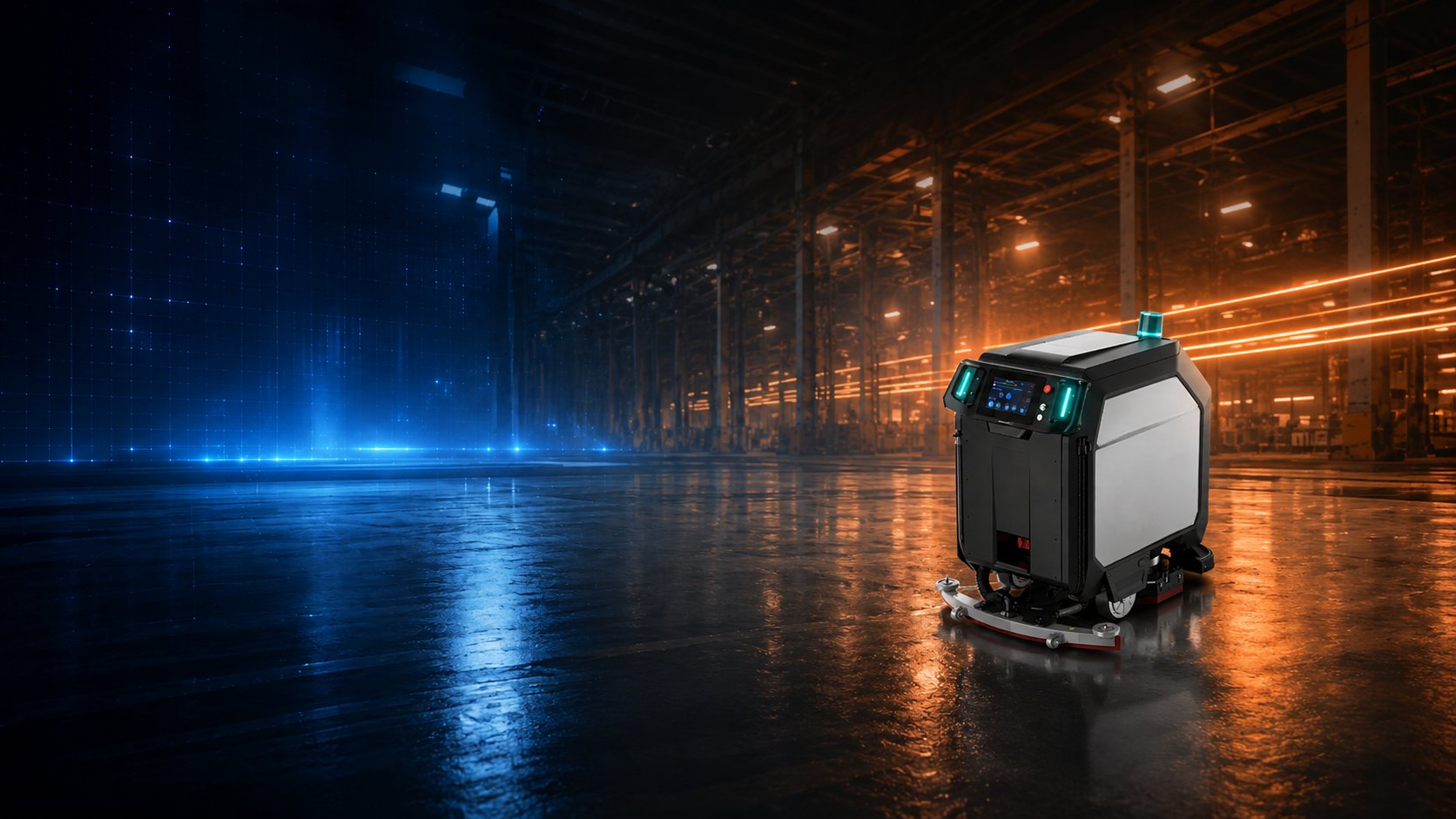
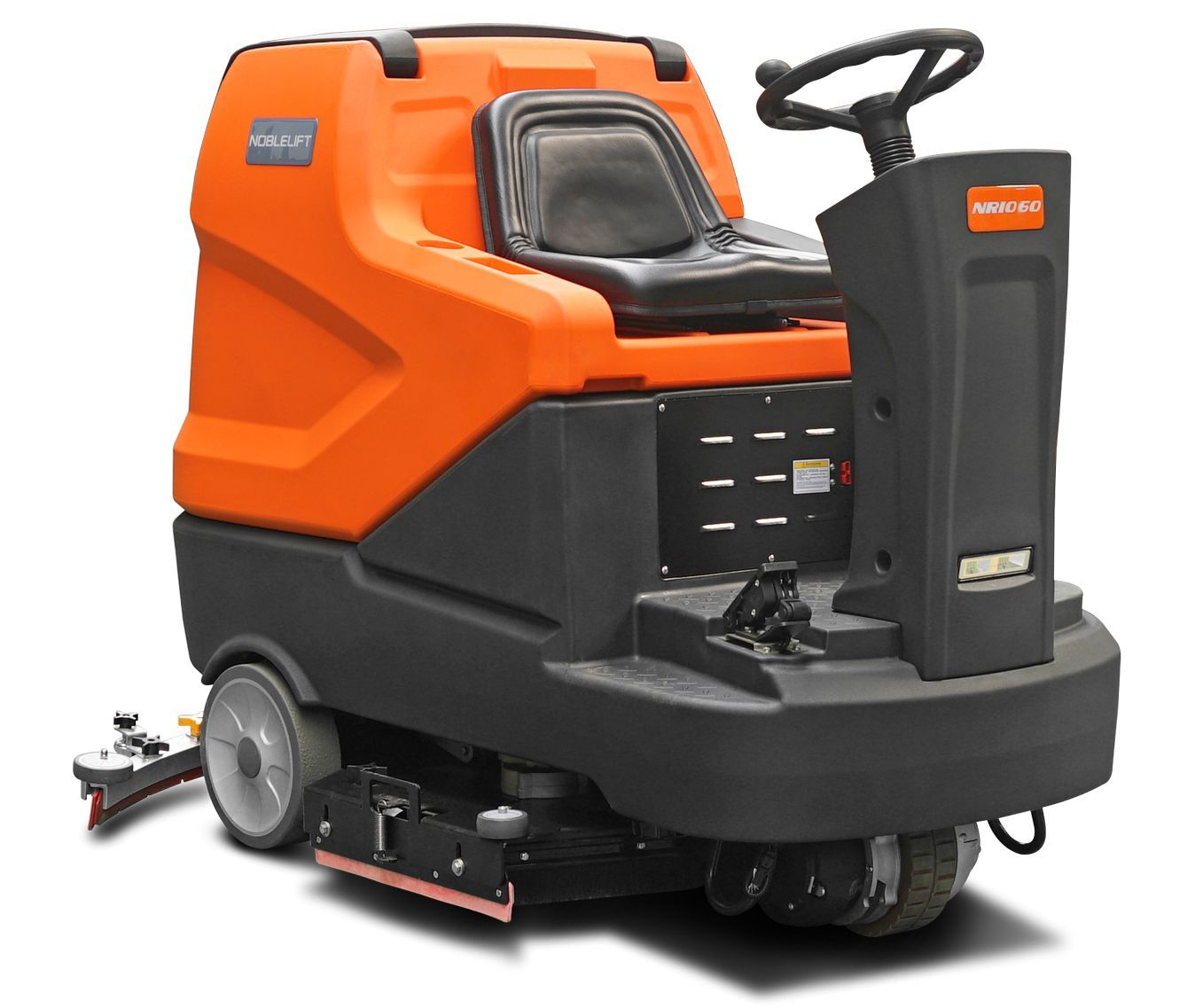
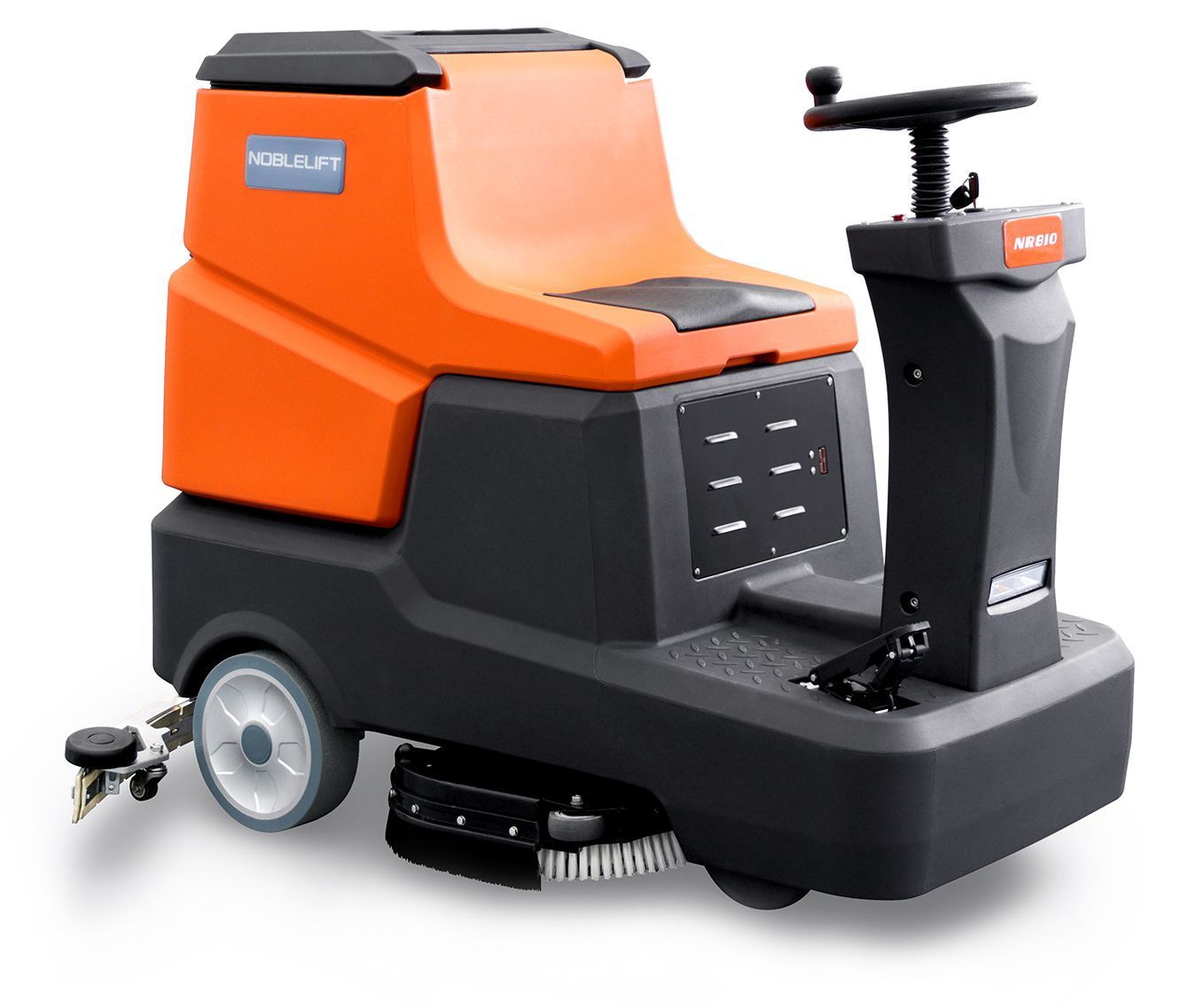
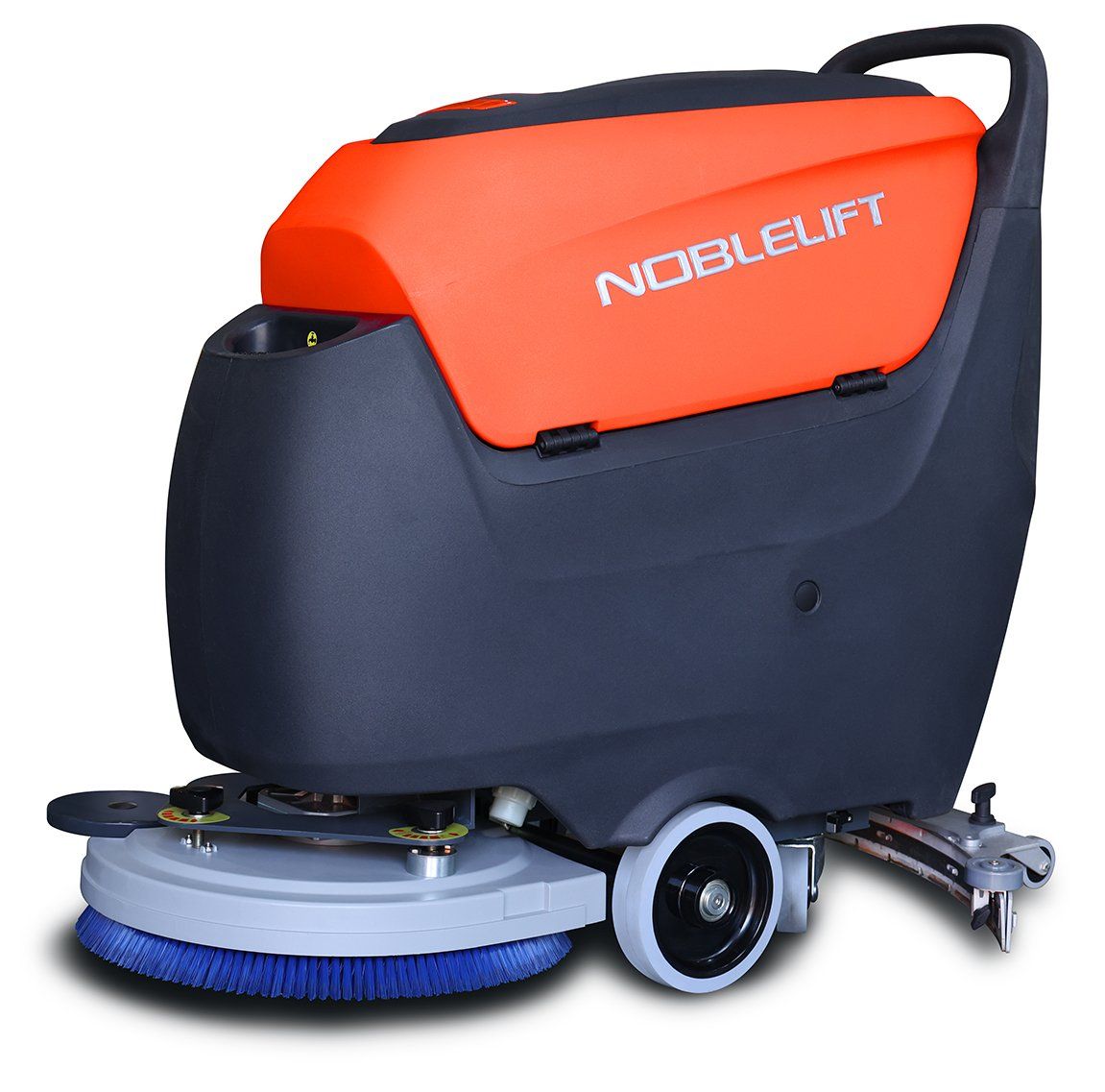
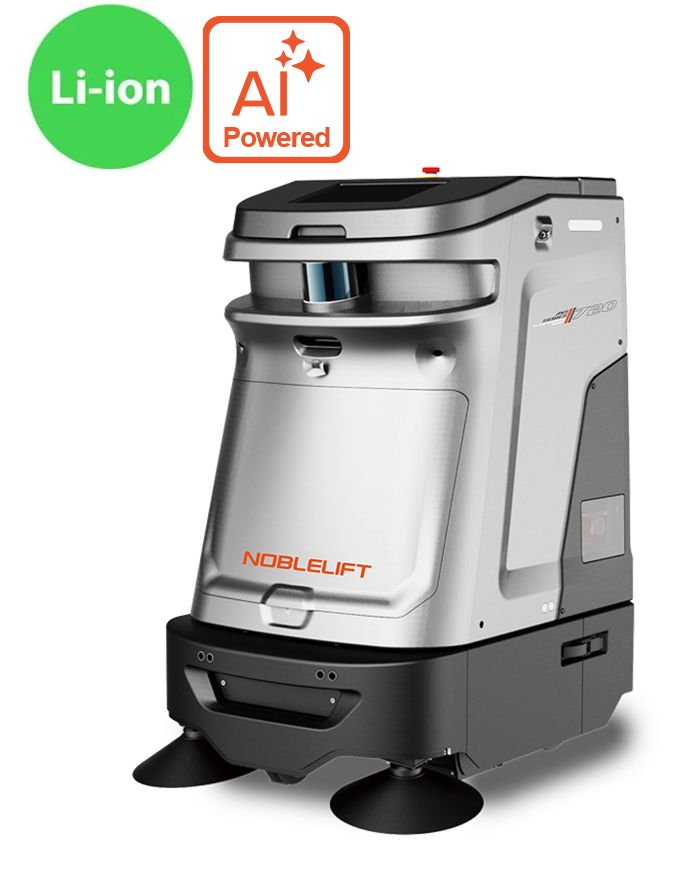
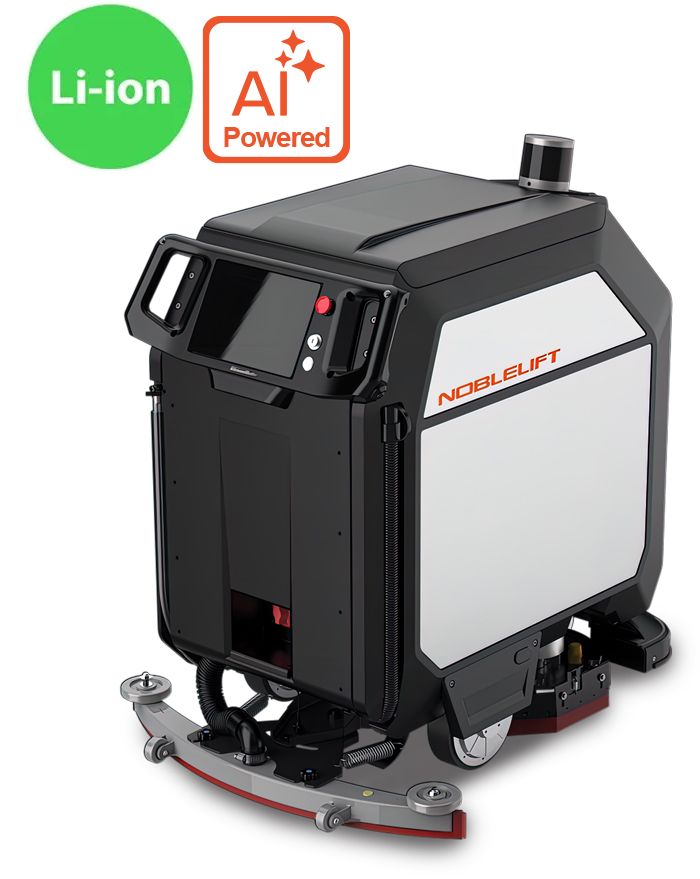
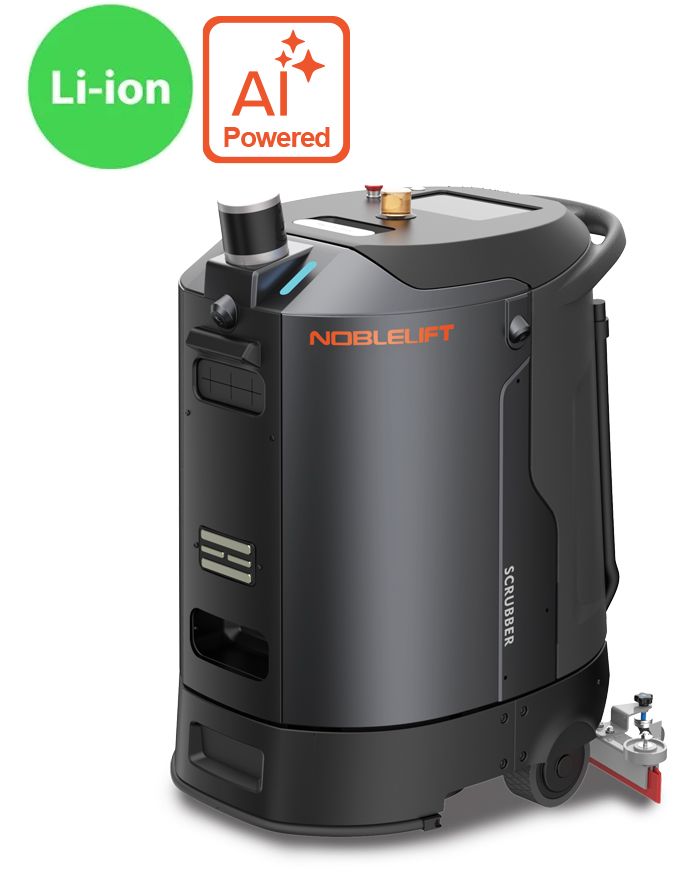
A floor scrubber is a cleaning machine used to wash hard floors with a brush or pad system, cleaning solution, and water recovery system. Instead of only spreading water across the floor like a mop, an automatic floor scrubber applies solution, agitates the surface, and recovers dirty water into a separate tank.
Floor scrubbers are commonly used on concrete, tile, epoxy, sealed warehouse floors, retail floors, and other hard surfaces. They help businesses clean larger areas with better consistency and less manual effort. Many facilities use them for daily cleaning, spill cleanup, dust control, and general floor maintenance.
Floor Scrubbers vs Sweepers
A floor scrubber and a floor sweeper are not always the same machine. A scrubber is designed to wash and scrub the floor. A sweeper is designed to collect dry debris, dust, and loose material. Some cleaning programs use both machines depending on the facility.
If your team needs to sweep the floor before washing it, a sweeper may be useful for dust, packaging debris, dirt, and dry material. If the goal is to remove grime, tire marks, residue, or general soil from a hard surface, a floor scrubber is usually the better fit.
Some buyers search for commercial sweepers, industrial sweepers, floor scrubbers, automatic cleaning machines, and warehouse cleaning machines when comparing options. The best choice depends on whether the main job is sweeping, scrubbing, or both.
Walk-Behind Floor Scrubbers
A walk-behind floor scrubber is a strong option for small to medium-sized spaces. These machines are operated from behind the unit and are often easier to maneuver in tight areas. They can work well in grocery stores, office buildings, schools, car dealerships, transportation stations, healthcare buildings, and warehouse areas with tighter layouts.
Walk-behind machines are often chosen when a facility needs compact cleaning equipment that can move through aisles, around displays, near doors, and across smaller hard floor areas. They are also helpful when the operator needs more control in congested spaces.
Ride-On and Riding Floor Scrubbers
A ride-on floor scrubber allows the operator to sit or stand on the machine while cleaning. These machines are commonly used for larger commercial and industrial spaces where walking behind a machine would take too much time.
Ride-on scrubbers are a good fit for warehouses, distribution centers, manufacturing plants, shopping centers, airports, schools, sports facilities, and other large buildings with wide floor areas. A riding floor scrubber can improve cleaning speed, reduce operator fatigue, and help teams maintain larger areas on a regular schedule.
When comparing ride-on scrubbers, buyers should review cleaning path, tank capacity, battery run time, turning radius, operator visibility, brush pressure, and the type of floor being cleaned.
Electric, Automatic, and Autonomous Cleaning Machines
Many commercial floor scrubbers are electric because electric machines are practical for indoor cleaning. Battery-powered scrubbers can help reduce cords, improve mobility, and support daily cleaning routines in active facilities.
An automatic floor scrubber handles solution flow, scrubbing, and recovery in one pass. This helps reduce manual work and keeps the cleaning process more consistent.
Autonomous floor scrubbers and sweepers take this a step further. These machines are designed to support automated cleaning routes, which may help facilities maintain larger areas with less hands-on operation. Buyers should still consider supervision, mapping, maintenance, cleaning path, safety features, and whether the facility layout is a good fit for autonomous equipment.
How to Choose the Right Floor Scrubber
The right floor scrubber depends on your building, floor type, cleaning schedule, and labor needs.
Start with the floor surface. Concrete floors, tile floors, sealed floors, and coated warehouse floors may require different brushes, pads, water flow, and cleaning chemicals. A brush that works well on rough concrete may not be the right choice for finished tile.
Next, consider square footage. A compact walk-behind scrubber may be enough for smaller areas. Larger warehouses and industrial facilities may need a ride-on scrubber with a wider cleaning path and larger solution and recovery tanks.
Battery setup also matters. Buyers should compare run time, charging time, charger requirements, and where the machine will be stored and charged. For multi-shift operations, charging strategy can be just as important as machine size.
Important Features to Compare
Before you buy a floor scrubber, compare the cleaning path, brush type, tank capacity, squeegee width, battery system, charger, machine size, and turning radius.
Brushes and pads affect cleaning results. Some floors need softer pads, while rougher concrete may need more aggressive brushes. Tank size affects how long the machine can clean before refilling or emptying. A larger tank may help with productivity, but a smaller compact machine may be easier to maneuver.
Also compare service access, replacement brushes, squeegee blades, operator controls, and storage space. A floor scrubber should be easy for your team to operate, clean, charge, and maintain.
Floor Cleaning, Safety, and Facility Maintenance
Clean floors support a better facility, but floor cleaning should be handled carefully. Wet floors, spills, clutter, and the wrong cleaning products can increase slip and trip risks. OSHA and CDC/NIOSH both provide workplace safety resources related to clean, dry walking surfaces, spill cleanup, and slip prevention.
Operators should understand how to use the cleaning machine, where to place wet floor signs, how to choose the right brush or cleaning solution, and how to avoid leaving slippery residue behind. For warehouses and industrial facilities, teams should also pay attention to pedestrians, forklifts, pallet jacks, loading areas, and active work zones during cleaning.
Why Buy NobleLift Floor Scrubbers from PHS Lift?
PHS Lift helps businesses compare NobleLift floor scrubbers and sweepers based on facility size, floor surface, cleaning path, battery needs, machine type, and budget. Instead of choosing the cheapest machine or guessing based on photos, buyers can compare walk-behind, ride-on, automatic, compact, and autonomous options based on how the machine will actually be used.
If your business needs a commercial floor scrubber, industrial sweeper, warehouse cleaning machine, or electric scrubber for hard floors, PHS Lift can help you choose the NobleLift model that fits your cleaning requirements.
Common Floor Scrubber Problems & Fixes
Most "scrubber not working" complaints aren't equipment failures — they're mismatches between the floor, the brush or pad, the cleaning solution, and the operator workflow. Here are the most common problems facility teams run into and the practical fix for each.
Problem | Likely Cause | Fix |
|---|---|---|
Black tire / pallet-jack marks not coming up | Forklift or pallet-jack tires leaving rubber soot on smooth concrete. Standard scrubbing solution can't lift heavy rubber transfer. | Use a d-limonene-based degreaser or alkaline floor cleaner at the manufacturer's recommended dilution. Switch to a medium-grit brush or maroon pad and increase down-pressure. For old, baked-in marks, pre-spray the area and dwell for 3–5 minutes before scrubbing. |
Pallet crushing marks on the floor surface | Loaded pallets sitting on the same spot for weeks compress sealer/coating and leave shadow marks. Not a cleaning problem — it's a flooring problem. | A floor scrubber will not remove pressure-imprint marks from sealed concrete. The fix is a recoat or burnish. To prevent recurrence, rotate pallet positions, use pallet boards or load protectors, and inspect the floor sealer annually. |
Streaks left behind the squeegee | Worn squeegee blade, debris caught under the blade, dilution too soapy, or vacuum motor losing suction. | Flip or replace the squeegee blade (most blades are double-sided — flip first, replace when both edges are worn). Check the vacuum hose and recovery tank filter for clogs. Recheck the chemical dilution ratio — too much soap is the #1 cause of streaks. |
Scrubber leaves water on the floor | Cracked or worn squeegee, clogged vacuum hose, or full recovery tank tripping the float shutoff. | Empty the recovery tank, check the float, inspect the squeegee assembly for cracks, and clear the vacuum line. If the machine vacuums fine but still leaves water, the squeegee deflector is likely worn — a quote replacement part. |
Cleaning solution not lifting grime | Wrong pH for the floor type. Alkaline cleaners cut grease on concrete; neutral cleaners protect finishes on epoxy, tile, and sealed VCT. | Match the cleaner to the floor: alkaline for raw or sealed concrete and food-prep areas, neutral for epoxy / tile / coated floors, and an acid-based cleaner only for mineral/efflorescence buildup. When in doubt, call your floor coating supplier for their recommended pH range. |
Scrubber wheels leaving marks on pallets or product | Standard black rubber wheels can transfer marks onto clean pallets, packaging, or low-shelf product in cleanroom and food-grade environments. | Specify a non-marking (grey or cream) wheel option at order time. NobleLift offers non-marking wheel kits for most walk-behind and ride-on models — ask PHS Lift before ordering for cleanroom, pharmaceutical, food-grade, or retail-display facilities. |
Heads up: if you're seeing tire marks build up faster than you can scrub them, the upstream fix is non-marking forklift tires (silica-based instead of carbon-black). Most retail, pharmaceutical, and food-grade facilities switch their forklift fleet to non-marking tires and use the scrubber for routine cleaning instead of constant mark removal. Talk to PHS Lift about non-marking tire options for your existing fleet.
If a problem on this list doesn't match what you're seeing, call PHS Lift before buying a different scrubber — most "the machine doesn't work" calls are solved by a quote brush change, a new squeegee blade, or a different cleaning chemical.